About Photoelectric Sensor
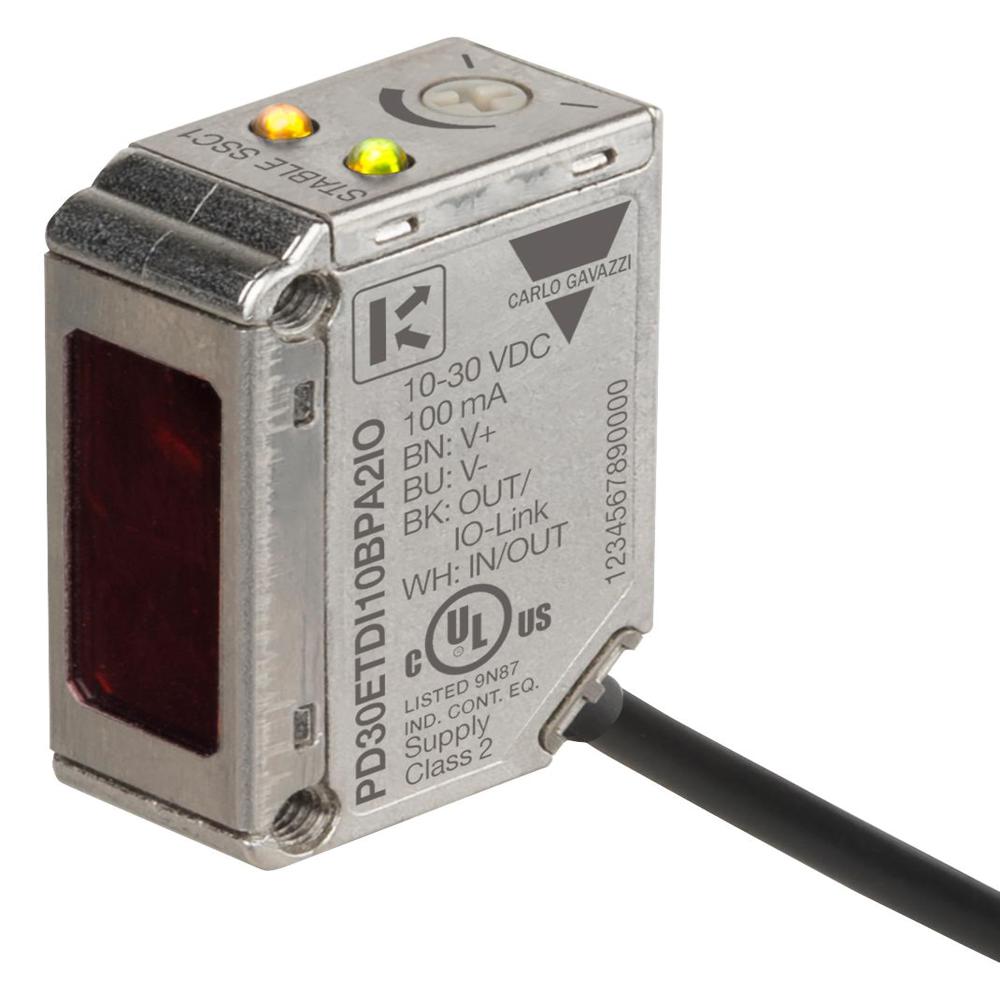
A photoelectric sensor detects objects or changes in its environment using light beams, typically infrared or visible red light, making it essential for non-contact automation tasks. It consists of an emitter that transmits light and a receiver that senses variations when light is interrupted or reflected.
Key Components-
The emitter uses LEDs or lasers to generate a focused light beam, while the receiveroften a photodiode or phototransistorconverts received light changes into electrical signals. Amplifiers process these signals to trigger outputs like switches connected to PLCs or controllers.
Operating Types
-
Through-beam: Separate emitter and receiver aligned directly; offers longest range but needs precise alignment.
-
Retro-reflective: Emitter and receiver in one unit with a reflector; light bounces back unless blocked.
-
Diffuse (proximity): Light reflects off the target itself; simplest setup for short-range detection.
These sensors excel in industrial automation for object counting, position detection, conveyor monitoring, and level sensing. They handle materials like metal, plastic, or even transparent items in manufacturing, packaging, and HVAC systems.
Robust Object Detection for AutomationEngineered for high precision, this sensor excels in industrial automation where fast and accurate object detection is crucial. The retro-reflective sensing mode works with a reflector to detect even the smallest items, enhancing productivity on conveyor lines and packaging systems.
Durable Design for Industrial ConditionsWith an IP67 ingress rating and robust ABS plastic housing, the sensor endures moisture, dust, and challenging temperatures ranging from -25C to +55C. Its pre-wired, threaded mount and versatile output options make installation and integration straightforward yet secure.
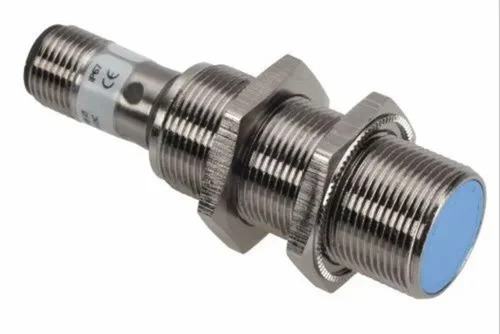
Flexible Connectivity and Precise PerformanceThe 3-wire pre-wired cable and M18 threaded mounting enable quick setup in different industrial scenarios. Adjustable sensitivity and immunity to ambient light (up to 10,000 Lux) ensure reliable operation, while a LED indicator simplifies real-time status monitoring.
FAQ's of Photoelectric Sensor:
Q: How do I install and configure this photoelectric sensor in my automation system?
A: This sensor is designed for easy installation with its threaded M18 mount and a 2-meter pre-wired 3-wire cable. Position the sensor facing the reflector within the recommended sensing range (10 cm to 2 m), connect the wires following the included diagram, and adjust sensitivity for optimal detection of target objects.
Q: What benefits does the high accuracy and fast response time provide for industrial processes?
A: The sensor's high resolution (detects objects as small as 0.2 mm) and quick response time (<1 ms) ensure precise and rapid object detection, reducing errors and delays in automated systems such as packaging and sorting lines, which enhances overall production efficiency.
Q: Where can this photoelectric sensor be effectively used?
A: It is suitable for various industrial applications including packaging automation, conveyor systems, robotics, and material handling, especially where reliable, high-speed object detection is required under harsh environmental conditions.
Q: What measures ensure the sensor's durability and reliability in tough environments?
A: With an IP67 rating, ABS housing, and wide operating temperature range (-25C to +55C), the sensor resists dust, water, and temperature fluctuations. Reverse polarity and short circuit protection further enhance operational reliability.
Q: What is the process for adjusting the sensitivity and monitoring sensor status?
A: Sensitivity can be easily tuned using the built-in adjustment mechanism, allowing reliable detection of objects at varying distances and sizes. The integrated LED status indicator provides immediate feedback on sensor operation.
Q: How does the sensor perform under strong ambient light or changing lighting conditions?
A: The sensor is designed with ambient light immunity up to 10,000 Lux, ensuring consistent and accurate detection performance even in brightly lit industrial environments.
Q: What advantages do NPN/PNP output options and protection features offer during usage?
A: The selectable NPN/PNP output ensures compatibility with diverse industrial control systems. Integrated reverse polarity and short circuit protection safeguard both the sensor and the connected equipment, minimizing downtime and maintenance needs.






 Get Latest Price

 Send Inquiry
 Send Inquiry
 Send SMS
 Call Me Free